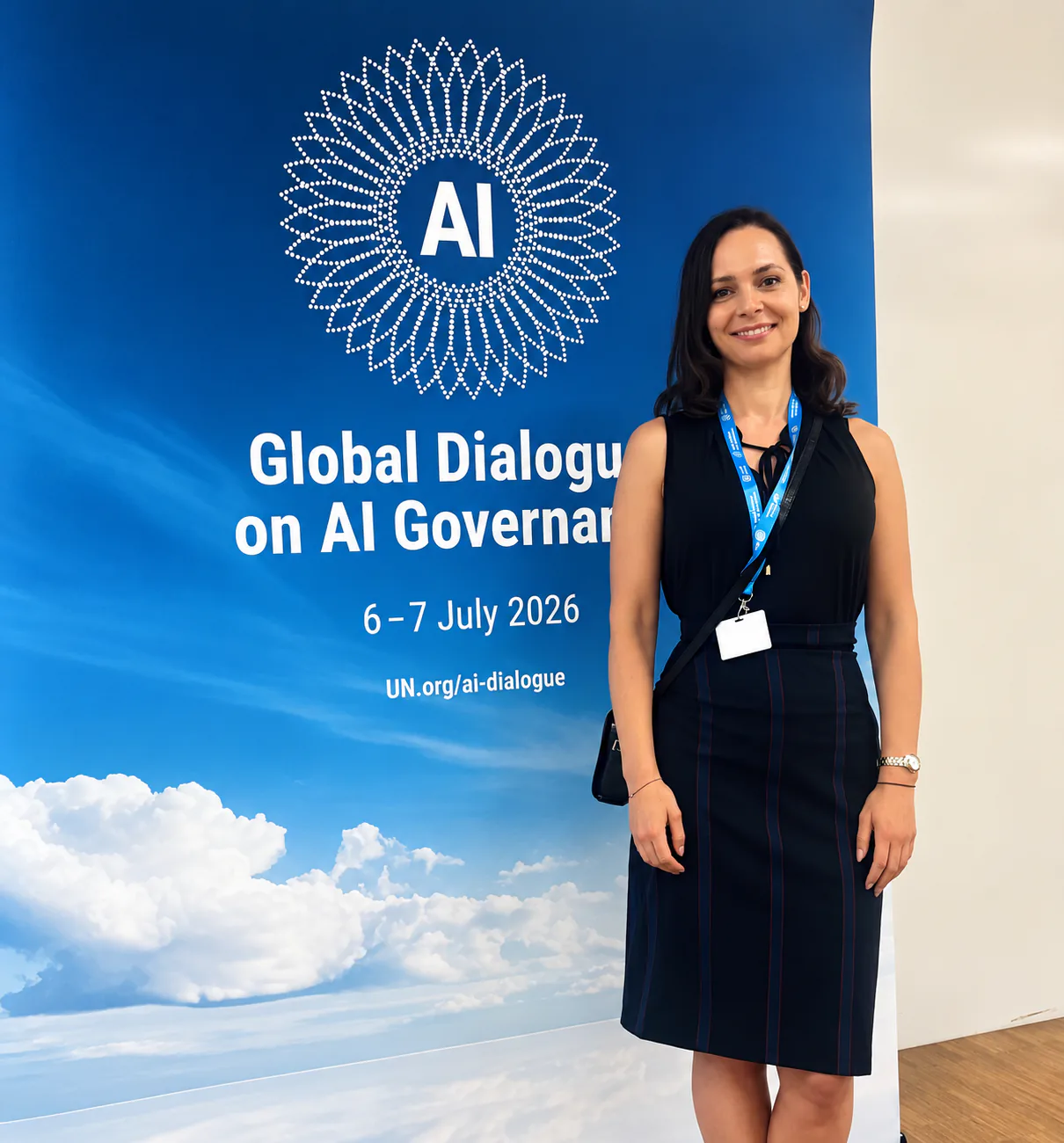
Ethical artificial intelligence
Responsible use of AI: fundamental rights, privacy, non-discrimination, transparency and human oversight that can actually intervene.
 Join PACT
PACT connects responsible artificial intelligence, digital education, wellbeing and social inclusion — helping people and institutions move through the changes brought by AI and automation without losing their footing.

Technological change does not reach everyone in the same way. Some people gain new tools; others lose the ground they were standing on. That difference is not a side effect — it is the substance of the problem.
So the development of artificial intelligence needs more than new systems. It needs education, accountability and human oversight that is real rather than declared.
Technology should not take control away from people. It should widen what they are able to do.
These are not four services. They are four ways of asking the same question: what happens to people when the technology around them changes?
Responsible use of AI: fundamental rights, privacy, non-discrimination, transparency and human oversight that can actually intervene.
We help people understand the technologies around them and build the competencies that a world of AI and automation demands.
We examine and make visible how technology and algorithms affect people, their relationships and their capacity to function socially.
Technological change should expand what people can do instead of deepening social, educational, professional and digital exclusion.
Principles are easy to publish. This is the sequence PACT works through with an institution or a community.
We establish what an institution and the community around it actually need — before any tool is named.
We identify how a technology touches people: who gains capacity, who loses it, and who is not in the room.
We analyse risk across rights, privacy, safety, discrimination and the quality of human oversight.
We build competencies with the people who will use, supervise or be affected by the system.
We support adaptation and reskilling where roles, tasks or professions are being reshaped.
We build partnerships between institutions, experts, educators and local communities so the work continues.
PACT is developing an approach that helps organisations examine technology from the perspective of the person in front of it: fundamental rights, transparency, safety and oversight that can genuinely intervene.
Status: the PACT standard and its certification path are in development. Neither is presented here as a formally recognised or accredited scheme.
| Index | Axis | Status |
|---|---|---|
| 01 | Human oversight | Read |
| 02 | Transparency | Read |
| 03 | Privacy | Read |
| 04 | Safety | Read |
| 05 | Non-discrimination | Read |
| 06 | Social impact | Read |
Deploying AI in public services demands a particular kind of responsibility. PACT helps you look at a technology not only through efficiency, but through citizens' rights, accessibility, safety and the reality of human oversight.
Responsibility belongs inside the design process, not appended once a system is already in production. We work with teams on the decisions that are still cheap to change.
Technological change concerns all of us. Join the people, organisations and experts who want to help shape technology centred on human beings.
PACT creates a place where individuals, institutions, experts, educators and organisations meet — people who want a real say in the social consequences of technology.
Help build awareness, start the conversations that are not happening yet, and develop local work around responsible technology.
This is a conversation starter, not research. Your answer is stored anonymously in this site's local database and shown only as an aggregate.
News from PACT and practical notes on responsible technology, education and social inclusion.
Teaching judgement rather than interfaces.
Notes from the working draft of the PACT standard.
Why adaptation support has to start before the change arrives.
PACT builds space for people and organisations who want technological progress to widen human agency instead of narrowing it.